Physical Therapist: Put These Gloves On Before Bed and Watch What Happens to Your Trigger Finger
If you have trigger finger that won't improve, you need to read this short article about nocturnal healing before trying anything else.

October 9th, 2025 | By Kaitlynn Mueller, DPT
That clicking sound when you try to straighten your finger.
The stiffness that locks your fingers every morning.
And that painful catching sensation that makes simple tasks feel impossible.
If you're dealing with trigger finger, what I'm about to share might be the most important thing you'll read all year. Because that pain you're feeling isn't just discomfort – it's a sign that your finger tendons aren't healing the way they should.
And after 15 years of researching trigger finger, I've discovered why.
Here's What Most People Don't Understand About Trigger Finger Healing
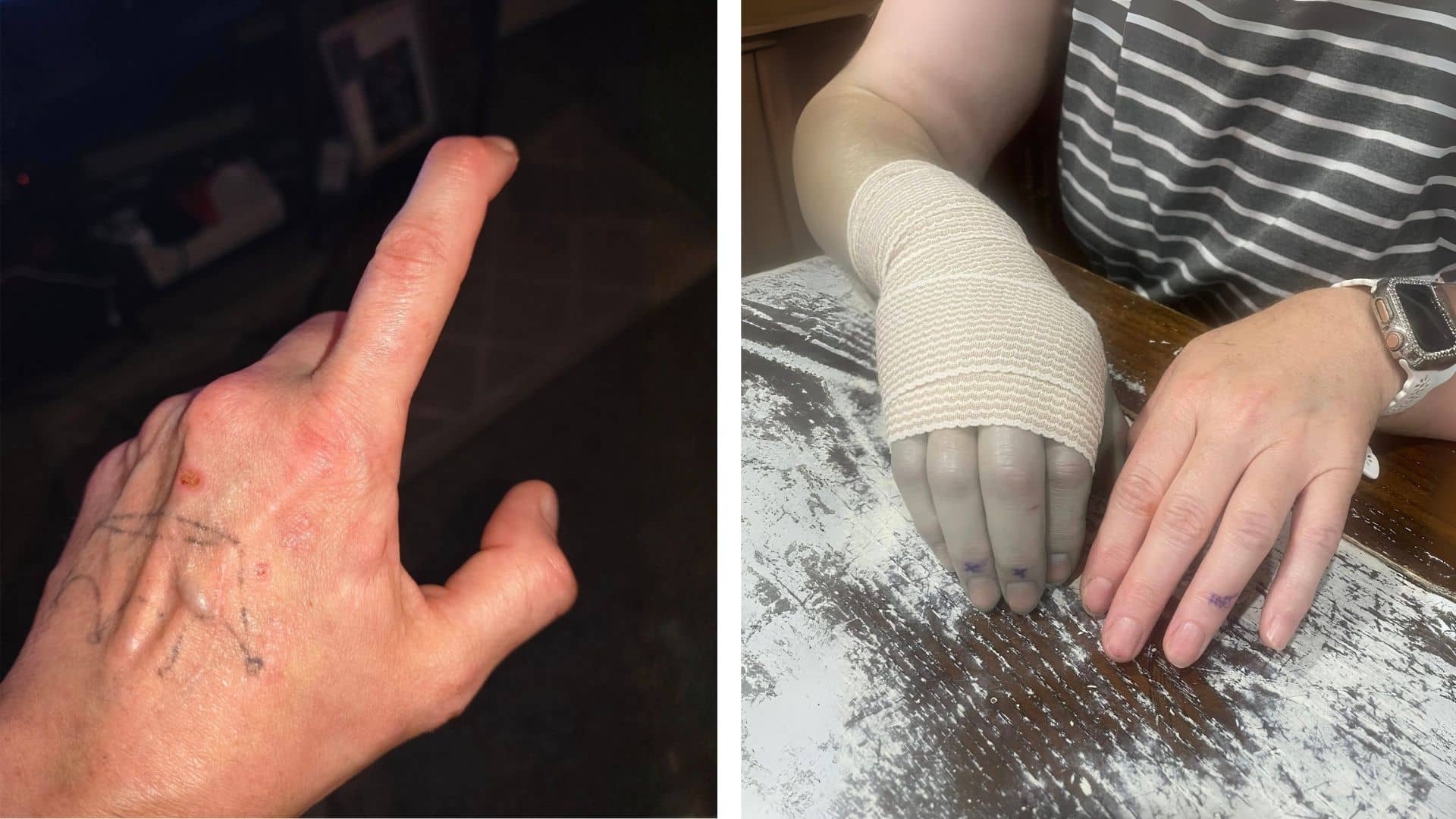
Trigger finger happens when the tendons in your finger become inflamed and thickened.
These tendons pass through small tunnels called pulleys in your palm and fingers.
Think of it like a rope trying to slide through a tube that's become too narrow.
But here's what makes trigger finger particularly challenging: the inflammation gets worse during prolonged periods of inactivity.
Unlike other injuries that improve with rest, trigger finger actually worsens when your hands remain still for hours at a time.
And here's the part that most doctors don't explain: the worst damage happens while you sleep.
That's when your hands remain motionless for 6-8 hours straight. When blood flow decreases. When inflammatory fluid pools around your tendons.
The Hidden Problem Happening Every Night
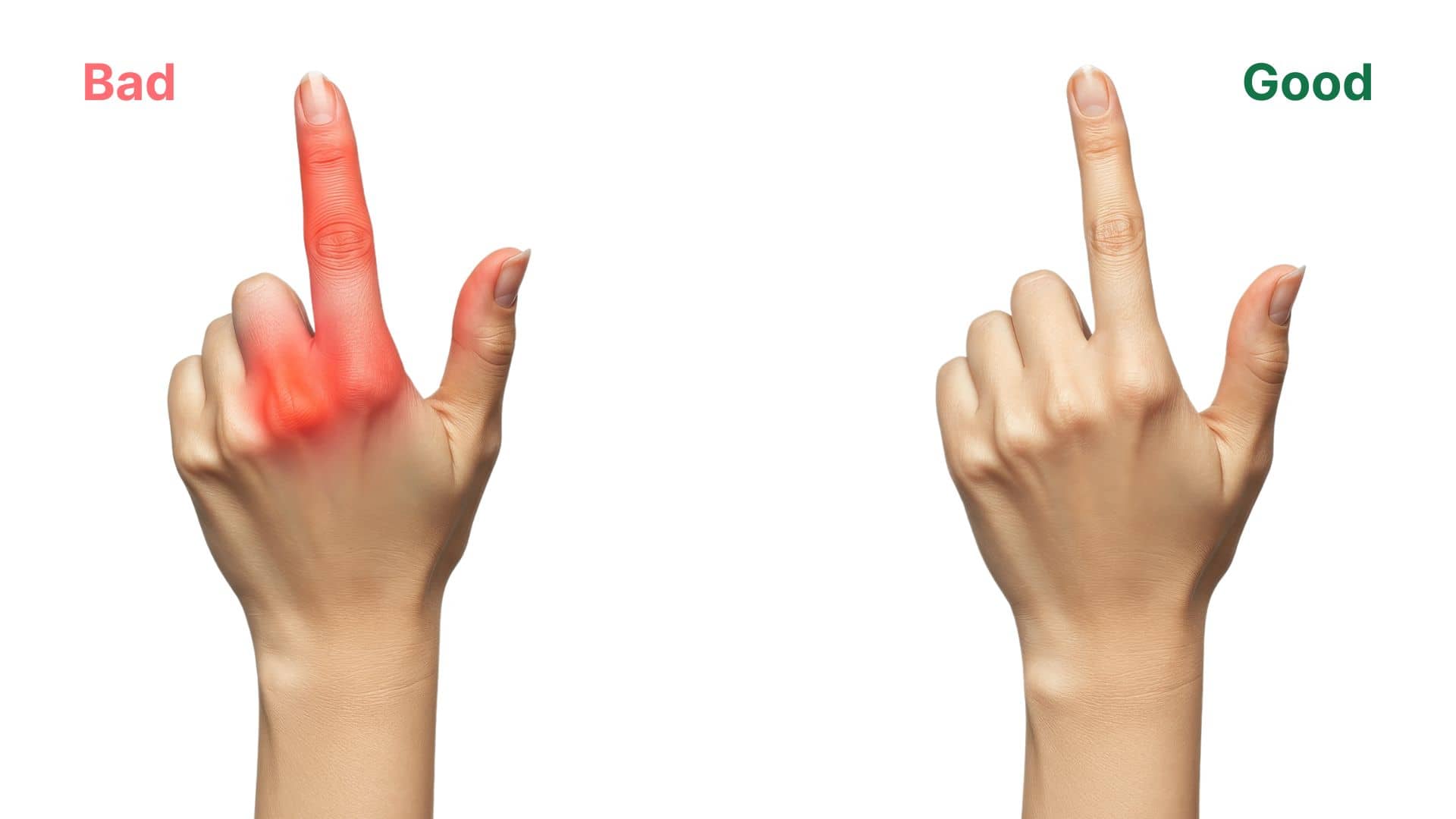
Here's what I've learned after researching thousands of trigger finger cases:
Most people are unknowingly making their trigger finger worse during the most critical 8 hours of the day.
While you sleep, several things happen to your hands that can interfere with tendon healing:
- ❌ Fluid accumulation: Without regular movement, inflammatory fluid pools around the tendon sheaths, creating more swelling and stiffness.
- ❌ Poor circulation: Blood flow to the finger tendons decreases significantly during prolonged immobility, limiting the delivery of healing nutrients.
- ❌ Hand positioning: Sleep positions often curl your fingers into positions that can compress already-inflamed tendons.
- ❌ Inflammatory cycles: Your body's anti-inflammatory hormones drop during certain sleep phases, while pro-inflammatory chemicals can increase.
The Research That Changed Western Treatment
Recent studies have shown remarkable results for trigger finger healing:
Consistent, gentle compression during sleep can significantly improve tendon recovery outcomes.
The key word is "consistent." Your finger tendons need steady, therapeutic pressure for 6-8 hours straight to:
- ✓ Reduce fluid buildup around the tendon sheaths
- ✓ Improve circulation to deliver healing nutrients
- ✓ Maintain proper finger alignment during sleep
- ✓ Provide gentle support to the healing tendons
Traditional finger splints simply aren't designed for this. They're built for daytime activity, not overnight healing.
The Breakthrough in Overnight Trigger Finger Support
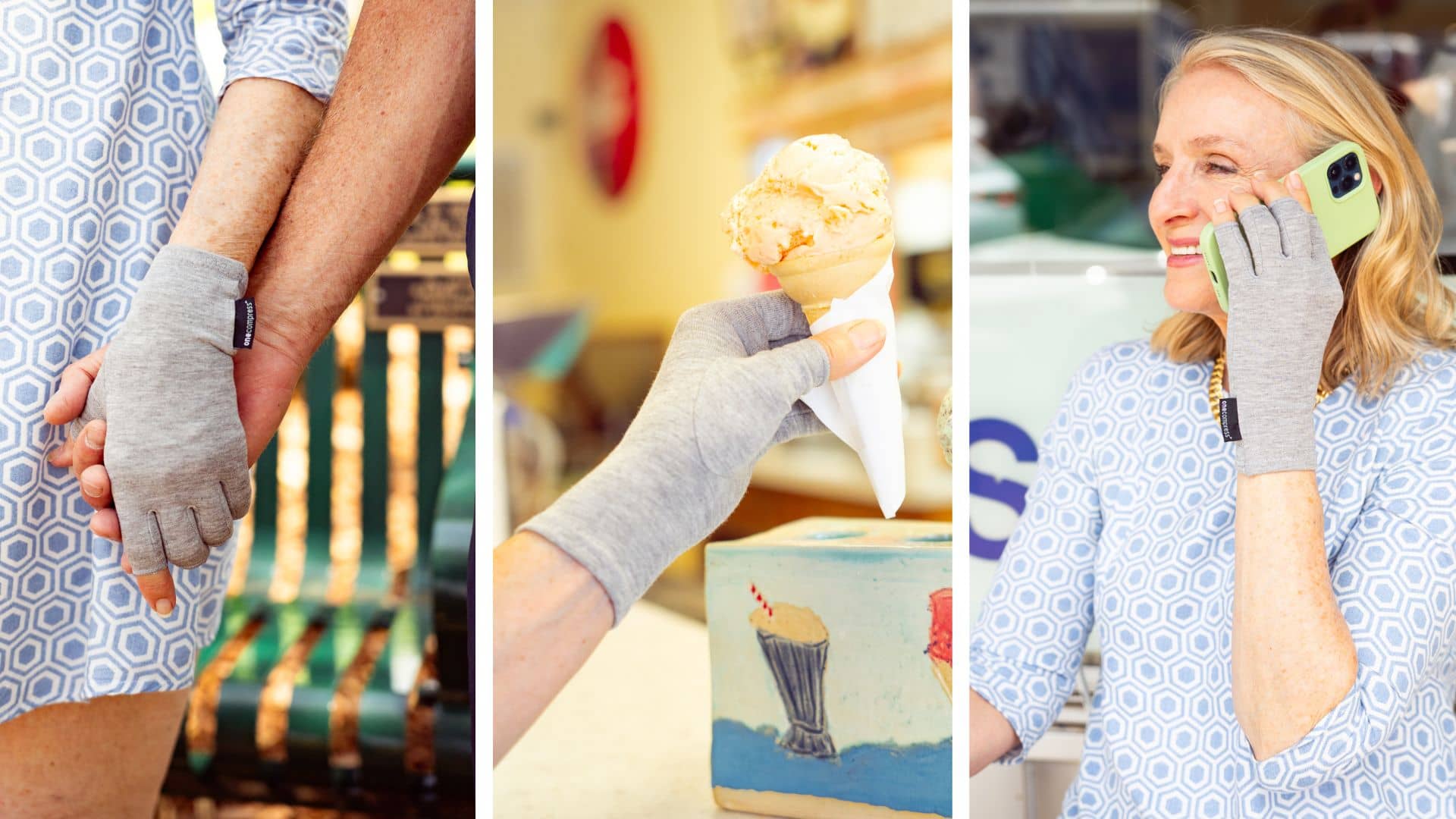
Engineers have developed a specialized type of bamboo compression that's specifically designed for extended wear during sleep.
Unlike traditional materials that become uncomfortable after 30 minutes, this bamboo fiber creates what they call "therapeutic microcompression" – gentle, consistent pressure that supports tendons and promotes circulation.
Introducing Onecompress™ Bamboo Gloves
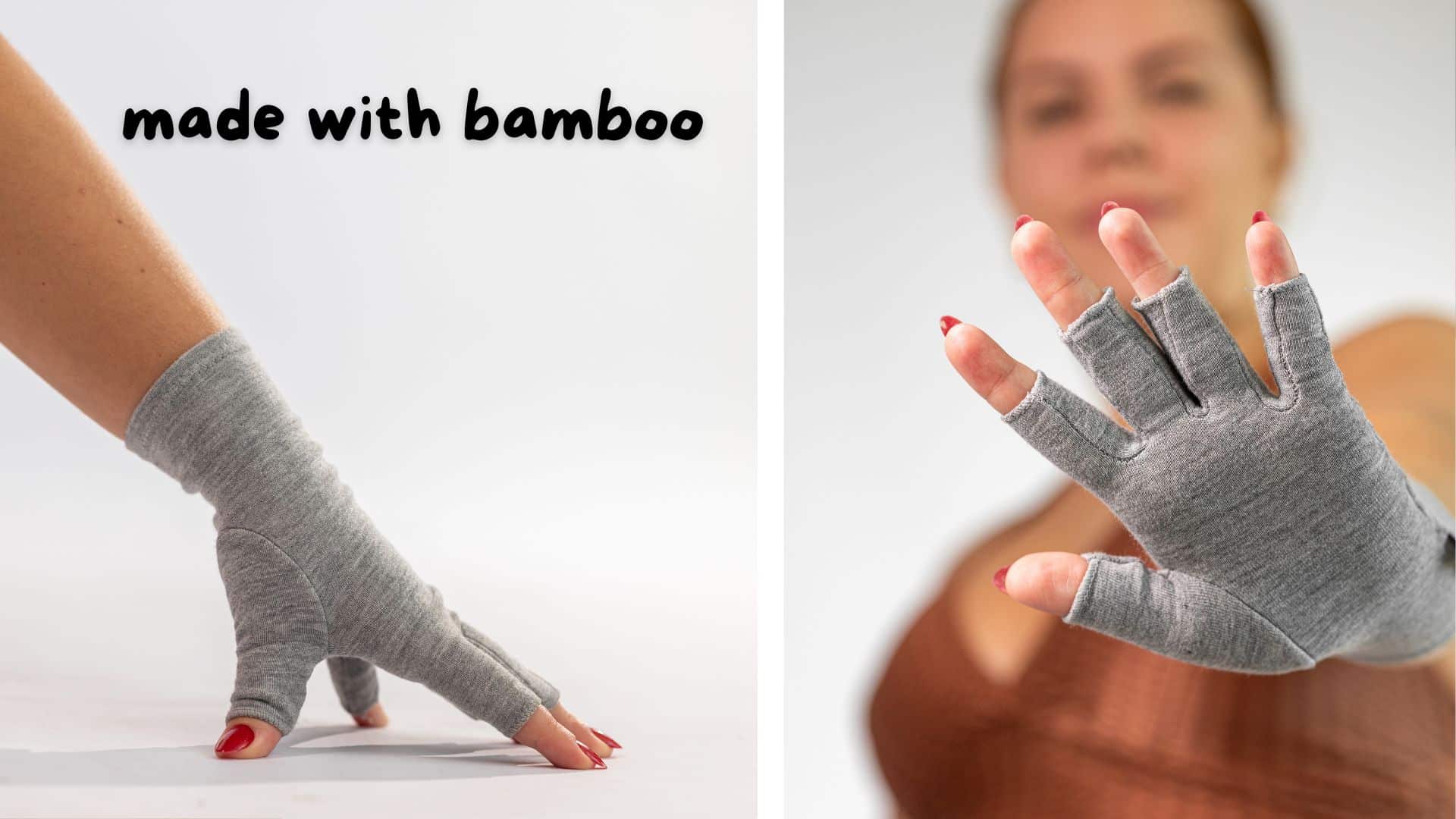
They might look like ordinary gloves, but don't let that fool you.
Over 170,000 people have chosen Onecompress for their trigger finger recovery, and many report significant improvements in how their fingers feel and function.
Limited-Time Discount: Buy One, Get One FREE

For a limited time, they're offering an incredible deal: Buy one pair of OneCompress gloves, get a second pair absolutely FREE.
That's double the relief, for one price – giving you backup gloves while others are washing, or a pair to share with a spouse.
MEDICAL & HEALTH DISCLAIMER: The information and other content provided in this page, or in any linked materials, are not intended and should not be construed as medical advice, nor is the information a substitute for professional medical expertise or treatment.
© 2025 All Rights Reserved